
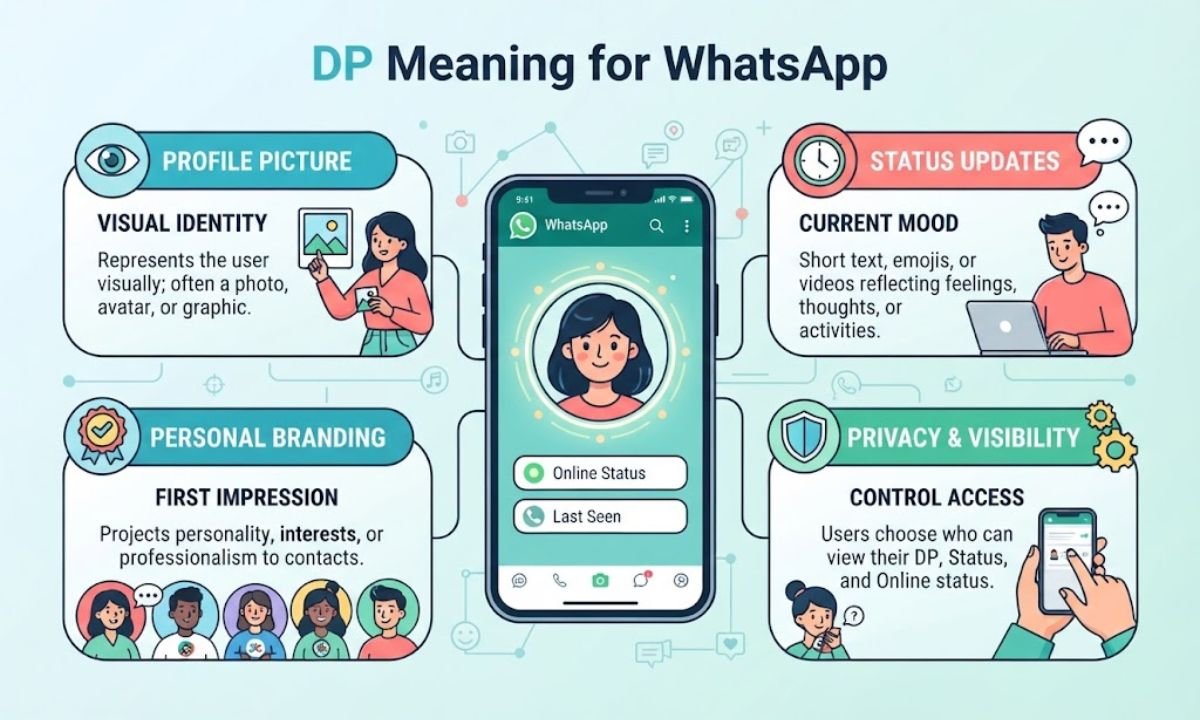

If you have ever typed “dp meaning for whatsapp” into Google, you are definitely not alone. It is one of those tiny internet terms that everyone uses but almost nobody explains properly.
You will see it in group chats, in Instagram bios, in casual conversations between friends, and even in workplace messaging threads. Yet the moment someone new to smartphones or social media hears it, they are left wondering what on earth “DP” actually means.
This guide breaks the term down completely where it came from, how people actually use it in real conversations, the psychology behind it, the different types of DPs people choose, and even how the meaning shifts slightly depending on the platform or region you are in. By the end, you will not just know the definition you will understand the culture behind it.
Dp Meaning for Whatsapp – Quick Meaning
In the simplest terms, DP stands for “Display Picture.” It is the small, usually circular image that appears next to your name on WhatsApp, representing you whenever you chat, call, or appear in a group.
Some people also call it a profile picture, profile photo, or display image, but on WhatsApp specifically, “DP” is the term that stuck.
Your DP is visible to your contacts (depending on your privacy settings) and often serves as the very first visual impression someone gets of you before a single word is exchanged.
What Does It Actually Stand For?
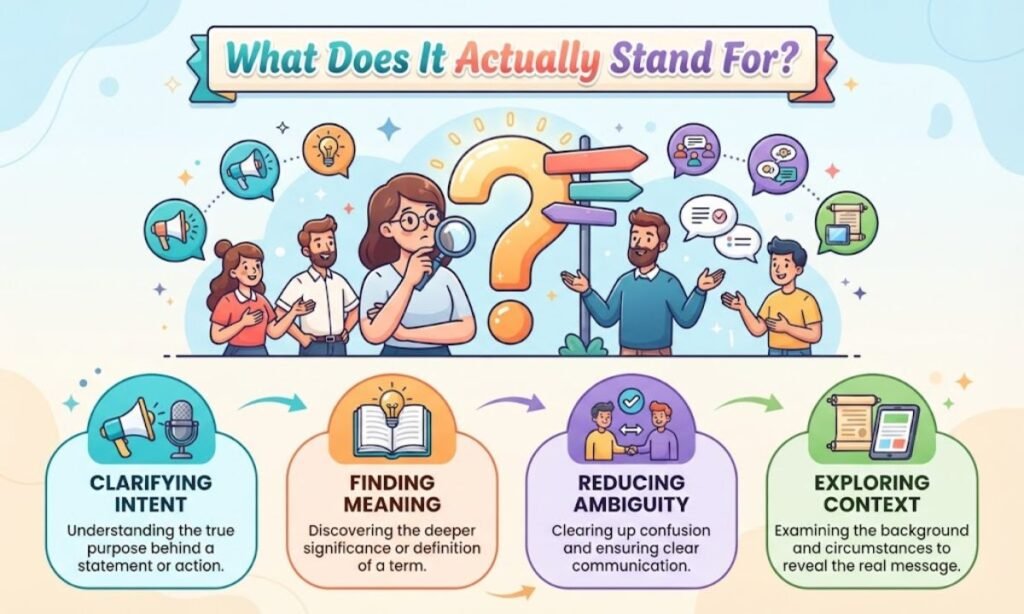
DP is short for Display Picture. It is not an official WhatsApp term coined by the company itself — it is more of a popular shorthand that spread organically through everyday users. Here is a quick breakdown of what the letters mean and how they are used:
- D – Display
- P – Picture
Put together, it simply refers to the picture that is “displayed” on your profile. Unlike more technical acronyms, DP has no hidden meaning or complicated backstory it is refreshingly literal.
That simplicity is part of why it caught on so quickly across different messaging platforms and social networks.
Real-Life Examples of the Phrase in Action
To understand how naturally this term fits into everyday digital conversation, here are some common examples of how it shows up:
- “Bro, change your DP already, that photo is from 2019.”
- “Who’s the girl in your DP? She looks familiar.”
- “I set my DP to black because I’m not in the mood for chatting today.”
- “Your new DP looks amazing, where was that taken?”
- “Why is your DP just a plain color? Did something happen?”
Notice how the word “DP” replaces longer phrases like “display picture,” “profile photo,” or “profile image” — making conversations quicker and more casual, which is exactly the tone WhatsApp chats usually have.
Origin & Background
Where Did the Term Come From?
The abbreviation “DP” did not originate with WhatsApp. It has been used for decades in different contexts including photography, film production, and early internet forums — long before smartphones existed.
In photography and cinematography, for instance, “DP” traditionally referred to a “Director of Photography.”
However, as instant messaging apps like Yahoo Messenger, MSN, and later BlackBerry Messenger (BBM) became popular in the early 2000s, users adopted “DP” as slang for “Display Picture,” since that was the exact feature these apps offered.
By the time WhatsApp launched in 2009 and introduced a profile photo feature, the term “DP” was already deeply embedded in casual internet vocabulary, particularly across South Asia, the Middle East, and parts of Africa, where BBM and Yahoo Messenger had large user bases. WhatsApp did not invent the phrase it inherited it.
How WhatsApp Kept the Term Alive
WhatsApp’s massive global growth, especially in countries like India, Pakistan, Nigeria, and the Philippines, meant that the slang carried over almost seamlessly from older messaging platforms.
As WhatsApp became the default messaging app for over two billion users worldwide, “DP” simply followed along as the go-to word for a profile photo.
A few reasons the term survived and thrived specifically because of WhatsApp:
- WhatsApp made profile photos a core, visible feature from the very beginning.
- The app’s popularity in regions where “DP” was already common slang cemented its usage.
- Younger users adopted the term from older siblings, parents, and friends who had used BBM or Yahoo Messenger.
- Short, punchy internet slang naturally spreads faster than formal terms like “profile picture.”
Real-Life Conversations (MANDATORY)
How People Actually Talk
Understanding a term is one thing — seeing how it fits naturally into real conversations is another. Here are some realistic chat exchanges that show how “DP” gets used day to day:
Conversation 1: Friends Teasing Each Other
Aman: “Why is your DP still your college graduation photo? That was 3 years ago 😂” Riya: “Because I look great in it, don’t judge me!”
Conversation 2: Noticing a Mood Change
Sara: “Your DP is just black now, everything okay?” Zayd: “Yeah, just going through something. Didn’t feel like having a photo up.”
Conversation 3: Complimenting Someone
Fatima: “Omg your new DP is stunning, where was that taken?” Hassan: “Thanks! It was during our trip to the mountains last week.”
Conversation 4: Business Context
Client: “Is this the official DP for the company account?” Manager: “Yes, we updated it to match our new branding this month.”
These examples highlight something important — the word “DP” is flexible enough to fit playful banter, emotional check-ins, compliments, and even professional contexts, all without sounding out of place.
Emotional & Psychological Meaning
More Than Just a Photo
While “DP” might sound like a purely technical term, the picture people choose often carries emotional weight. A display picture is rarely random — it is a small, curated choice that reflects mood, identity, or a moment someone wants the world to notice.
Psychologists who study online self-presentation note that profile images function as a form of identity signaling. People do not just pick a photo because it is “nice” — they pick it because it says something about who they are or how they want to be perceived at that moment.
The Psychology of the Blank Profile
One of the most telling DP choices is no picture at all — a blank grey silhouette. This absence often communicates just as much as a photo would:
- Privacy concerns – Some people prefer not to share their face publicly.
- Emotional withdrawal – A blank DP can signal someone is going through a difficult period.
- New account setup – Sometimes it is simply a fresh number that hasn’t been personalized yet.
- Digital minimalism – A growing number of users intentionally avoid personal photos online altogether.
A sudden switch to a blank or dark-colored DP from someone who usually keeps an active, personal photo can be a subtle cue that something in their life has shifted, which is why friends often check in when they notice the change.
A Personal Insight
Most long-time WhatsApp users can recall a moment when a friend’s DP change told them something before a single message did — a plain black square after a loss in the family, a bright celebratory photo after an engagement, or a scenic travel shot appearing right when someone mentioned needing a break.
The image becomes a quiet form of communication, almost like a mood status update that does not require any typing at all.
Usage in Different Contexts
Navigating Various Social Circles
The way “DP” gets used — and the kind of image people choose — often shifts depending on who is looking at it. The table below shows how context changes both the term’s tone and the typical photo choice.
| Context | How “DP” Is Used | Typical Photo Choice |
| Friends & Family | Casual, playful, teasing | Selfies, group photos, funny pictures |
| Romantic Partners | Affectionate, couple-focused | Couple photos, matching aesthetics |
| Professional Contacts | Formal, brand-conscious | Headshots, company logos |
| Online Communities | Anonymous or thematic | Avatars, cartoons, memes |
| Business Accounts | Branding-focused | Logos, product images |
As you can see, the underlying meaning of “DP” never changes — it is always the display picture — but the expectations around what makes a “good” DP shift significantly based on the audience viewing it.
When NOT to Use It
Knowing the Boundaries
While “DP” is casual and widely understood, there are situations where using the term (or certain types of display pictures) can feel inappropriate or even risky:
- Formal written communication – Avoid using “DP” in emails, official documents, or professional reports; stick to “profile picture” or “profile photo.”
- First-time professional contacts – Referring to someone’s “DP” in a first business interaction can come across as too informal.
- Sensitive conversations – Commenting on someone’s DP during a serious or emotional conversation can feel dismissive.
- International or formal audiences – In regions where the slang is less common, using “DP” may cause confusion, so a full explanation is safer.
- Children’s accounts – Encouraging young users to focus heavily on their DP can unintentionally promote unhealthy comparison or attention-seeking behavior online.
Being aware of these boundaries helps you use the term naturally without misreading the room in more serious or formal settings.
Common Misunderstandings
Clearing Up the Confusion
Because “DP” is such a short and widely repurposed abbreviation, it is easy to confuse it with unrelated meanings from other industries. Here are the most common mix-ups:
- Confusing it with “Director of Photography” – Common in film and media circles, unrelated to messaging apps.
- Assuming it only applies to WhatsApp – In reality, the term is used across Instagram, Snapchat, and other chat apps too.
- Thinking a blank DP means someone blocked you – A blank or missing DP usually just means privacy settings are restricting visibility, not that you have been blocked.
- Believing DP always means a personal photo – Many users use logos, cartoons, quotes, or abstract images instead of an actual photo of themselves.
- Assuming everyone understands the term – Especially among older users or people outside regions where the slang is common, “DP” may need explaining.
Clearing up these misunderstandings makes conversations smoother, especially when talking to someone who might interpret the term differently.
Comparison Table
Key Insight
To put the concept of “DP” into a broader perspective, here is how it compares with related but distinct terms often used interchangeably (sometimes incorrectly):
| Term | Full Meaning | Common Platform | Key Difference |
| DP | Display Picture | WhatsApp, older chat apps | Casual, slang-driven term |
| Profile Picture | Profile Picture | Facebook, LinkedIn | More formal, widely accepted term |
| PFP | Profile Picture | Gaming, Discord, Twitter/X | Popular in gaming and online communities |
| Avatar | Digital Representation | Gaming platforms, metaverse apps | Often illustrated or animated, not always a real photo |
| DP (Film) | Director of Photography | Film & television industry | Completely unrelated to social media |
The key insight here is that while all these terms describe some form of visual representation online, “DP” carries a distinctly casual, conversational tone that fits perfectly into the quick, informal nature of WhatsApp chats.
Variations / Types (Minimum 8–10)
The Many Faces of Your Digital Identity
Not all DPs are created equal. The type of image someone chooses often reflects their personality, mood, or purpose at that moment. Below are the most common categories of display pictures people use on WhatsApp.
1. The Solo DP
A single, personal photo — usually a close-up or a well-lit selfie. This is the most common type of DP and is often updated frequently to reflect current appearance or mood.
2. The Couple DP
Popular among people in relationships, this DP features both partners together, often signaling a new relationship milestone, anniversary, or simply affection.
3. The Group DP
Used mostly for group chats rather than personal profiles, this type features multiple people — friends, family, or coworkers — celebrating a shared identity or event.
4. The Blank DP
Either the default grey silhouette or an intentionally plain background, this type is chosen for privacy reasons or during periods of low social engagement.
5. The Aesthetic DP
Carefully curated images — sunsets, artistic shots, minimal color palettes — chosen more for visual appeal than for showing an actual face.
6. The Pet DP
Extremely common among animal lovers, this DP replaces a human face entirely with a beloved dog, cat, or other pet.
7. The Quote DP
Instead of a photo, this DP features a text-based image with an inspirational quote, a meaningful phrase, or a personal motto.
8. The Meme DP
A humorous or trending meme image, often changed frequently to match current internet trends or inside jokes within a friend group.
9. The Avatar DP
A cartoon, illustrated, or AI-generated avatar used instead of a real photo, popular among users who prefer a stylized or anonymous online identity.
10. The Nostalgia DP
An old photo — often from childhood, school days, or a significant past event — used to evoke sentimentality or mark a special anniversary.
How to Respond When Someone Uses It
Crafting the Perfect Reply
If a friend brings up your DP or asks about theirs, the right response depends on the tone of the conversation. Here are some practical ways to reply naturally:
- When complimented: “Thanks! Took that on my trip last month.”
- When teased for an old photo: “I know, I know — I’ll change it soon, promise!”
- When asked about a blank DP: “Just going through a quiet phase, nothing serious.”
- When someone asks who’s in your DP: “That’s my sister, we took that photo at her graduation.”
- When someone asks to see your “real” DP: “Check my profile, I updated it yesterday!”
Keeping replies short, casual, and honest matches the informal tone that the word “DP” naturally carries in everyday chats.
Regional & Cultural Usage
How Geography Changes the Slang
The popularity and usage of “DP” varies significantly depending on where you are in the world. Here is a general overview:
| Region | Popularity of “DP” | Common Alternative Terms |
| South Asia (India, Pakistan, Bangladesh) | Extremely high | Profile pic, display pic |
| Middle East | High | Profile photo, avatar |
| Africa (Nigeria, Kenya, etc.) | High | Profile pic, WhatsApp photo |
| Southeast Asia (Philippines, Indonesia) | Moderate to high | Profile picture, PP |
| North America & Europe | Low to moderate | Profile picture, PFP |
In regions where BBM and Yahoo Messenger were historically dominant, “DP” remains deeply ingrained in everyday language. In Western countries, “profile picture” or “PFP” tends to be more common, though “DP” is still understood, especially among younger, internet-savvy users.
Is It Safe for Kids?
Navigating Privacy for Younger Users
Display pictures are not just a casual feature — they carry real privacy implications, especially for younger users. Parents and guardians should keep a few important points in mind:
- Avoid clear face photos for young children – Public or loosely restricted DPs can expose a child’s identity to strangers.
- Adjust privacy settings – WhatsApp allows users to limit who can see their DP; this should be set to “My Contacts” or more restrictive for minors.
- Discourage identifiable location details – Photos taken outside a recognizable home, school, or landmark can unintentionally reveal a child’s routine.
- Encourage neutral or avatar-based DPs – Cartoons, illustrations, or non-identifying images are safer alternatives for younger users.
- Regularly review contact lists – Restricting DP visibility to trusted contacts only reduces exposure to unknown numbers.
Teaching kids why these precautions matter — rather than just enforcing rules — helps them develop safer digital habits as they grow more independent online.
Nice dp meaning for whatsapp
When people search for a “nice DP,” they are usually not asking about the meaning of the term itself, but rather looking for inspiration on what makes a display picture visually appealing and well-received.
A “nice DP” typically strikes a balance between good lighting, a flattering angle, and an image that feels authentic rather than overly staged.
What Makes a DP “Nice”?
A genuinely appealing display picture usually shares a few common traits: natural lighting, a clear and uncluttered background, and an expression that feels warm or approachable rather than forced. Simplicity often outperforms overly edited or filtered images, since authenticity tends to resonate more with viewers.
Popular “Nice DP” Styles
Some of the most consistently well-received DP styles include soft-lit outdoor photos, candid laughing shots, minimalist close-ups, and tasteful black-and-white portraits. These styles tend to age well and rarely look out of place months later.
Quick Tips for a Better DP
- Use natural daylight instead of harsh indoor lighting.
- Choose a background that isn’t distracting or cluttered.
- Avoid heavy filters that make the photo look unnatural.
- Pick an expression that feels genuine rather than posed.
DP meaning in snapchat
On Snapchat, the term “DP” is used less frequently than on WhatsApp, but when it does appear, it generally refers to the same concept — the display or profile image tied to your Snapchat account, often called your “Bitmoji” or profile photo instead.
How Snapchat’s DP Differs from WhatsApp’s
Unlike WhatsApp, Snapchat heavily promotes the use of Bitmoji avatars rather than real photos as default display images, making the platform’s visual identity feel more playful and less personal by default.
Why the Term Is Less Common on Snapchat
Since Snapchat’s core feature revolves around temporary photos and stories rather than a persistent profile photo, users place far less emphasis on their “DP,” which explains why the term appears less often in everyday Snapchat conversations.
Setting Up a Snapchat DP
Most users personalize their Snapchat identity through a Bitmoji avatar rather than a traditional photo, though the platform does allow a standard profile picture to be set for users who prefer a more conventional display image.
DP meaning in chat
Beyond WhatsApp specifically, the term “DP” is widely understood across most instant messaging platforms as shorthand for “display picture” — the image tied to a user’s chat profile that appears next to their messages and contact name.
Why Chat Apps Rely on DPs
Display pictures help chat apps feel more personal and human, allowing users to instantly recognize who they are talking to, especially in group conversations with multiple participants.
Common Chat Platforms Using the Term
Messaging apps like Telegram, WeChat, and various regional chat platforms use the same underlying concept, even if their internal terminology sometimes differs slightly from “DP.”
DP vs. Chat Wallpaper
It’s worth noting that a “DP” refers specifically to the profile image, not to be confused with a “chat wallpaper,” which is the background image displayed behind conversation bubbles — a separate customization feature entirely.
DP meaning in Instagram
On Instagram, “DP” refers to the same core concept as WhatsApp — the circular profile photo displayed at the top of a user’s profile and next to their comments or stories — though Instagram more commonly calls it a “profile picture.”
How Instagram’s DP Differs from WhatsApp’s
Instagram DPs are public by default (unless the account is private), meaning they are visible to a much wider audience compared to WhatsApp, where visibility is typically restricted to saved contacts.
Instagram DP Trends
Aesthetic consistency matters more on Instagram, where users often coordinate their DP with their overall bio and grid theme to create a cohesive personal brand.
Updating Your Instagram DP
Instagram allows users to crop, filter, and preview their DP before publishing, giving more creative control compared to the simpler photo-selection process on WhatsApp.
Dp meaning for whatsapp in english
For English-speaking users searching specifically for clarity, “DP” in WhatsApp simply and directly translates to “Display Picture” in English — no additional translation or cultural context is required, since the term already originates from English-language internet slang.
Direct English Translation
There is no alternate English phrase hidden behind the acronym; “Display Picture” is both the literal and commonly accepted expansion of the term.
Why English Speakers Sometimes Still Ask
Even native English speakers sometimes search for this term because slang abbreviations like “DP” are not always intuitive, especially for those unfamiliar with messaging culture from regions where the phrase originated.
Alternative English Phrases
Common English alternatives include “profile picture,” “profile photo,” and simply “profile image,” all of which mean exactly the same thing as “DP.”
DP meaning in Business
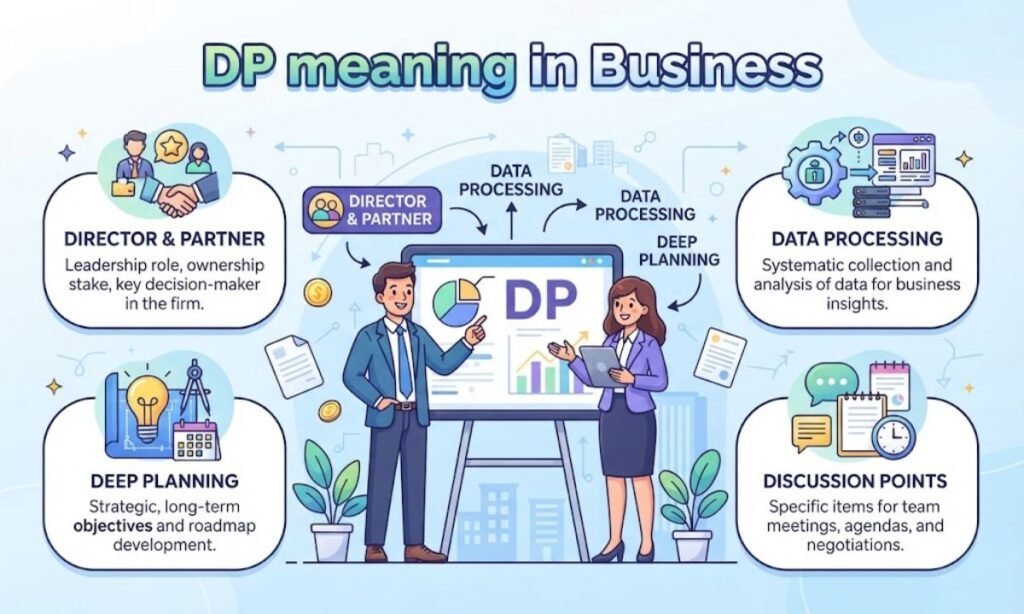
In a professional or business context, a “DP” takes on added importance, since it often represents a brand, company, or professional individual rather than a casual personal photo.
Why Business DPs Matter
A well-chosen business DP — typically a company logo or a professional headshot — builds trust and recognition, especially for WhatsApp Business accounts used for customer communication.
Best Practices for Business DPs
Businesses are generally advised to use a clear, high-resolution logo or a professional headshot, avoid cluttered designs, and ensure the image remains recognizable even at a small, circular size.
Consistency Across Platforms
Maintaining the same DP across WhatsApp Business, Instagram, and other platforms helps reinforce brand identity and makes a company easier to recognize across different channels.
Dp meaning for whatsapp boy
When the search includes “boy,” people are typically looking for DP inspiration tailored to male users, rather than a different definition of the term itself — the meaning of “DP” remains identical regardless of gender.
Popular DP Styles for Boys
Common choices include solo portraits, sports-related photos, gym or fitness pictures, and stylish outdoor shots, often reflecting personal interests or hobbies.
Tips for Choosing a Boy’s DP
A confident, natural expression combined with good lighting tends to perform better than overly edited or heavily filtered images, regardless of the specific style chosen.
Avoiding Common Mistakes
Overly blurry photos, group shots where the subject isn’t clearly visible, and outdated pictures are common pitfalls worth avoiding when selecting a display picture.
Dp meaning in selling
In the context of online selling or business listings, “DP” occasionally appears with a different meaning entirely — referring to “Down Payment” rather than “Display Picture,” which can cause confusion if the context isn’t clear.
Two Different Meanings, Same Abbreviation
While WhatsApp conversations almost always use “DP” to mean display picture, e-commerce, real estate, or vehicle-selling conversations may use the same letters to mean “down payment” instead.
How to Tell the Difference
Context is key — if the conversation involves pricing, payments, or transactions, “DP” likely refers to a down payment; if it involves photos or profiles, it refers to a display picture.
Why This Distinction Matters
Misunderstanding which meaning is intended can lead to confusion in business negotiations, making it important to clarify early in a conversation if there’s any ambiguity.
Conclusion
At its core, “DP” is a simple, friendly little abbreviation that stands for “Display Picture” — but as this guide has shown, there is a lot more depth behind those two letters than most people realize.
From its origins in early messaging apps like BBM and Yahoo Messenger, to the emotional signals people send through a single photo change, to the countless variations people choose to represent themselves, the humble DP has become a quiet but powerful part of how we communicate online.
Whether you are picking your next “nice DP,” decoding a friend’s sudden switch to a blank profile, or simply trying to understand internet slang a little better, you now have a complete picture pun intended of what “DP” really means and why it matters so much in everyday digital conversations.
Frequently Asked Questions
What does dp mean in messaging apps?
DP stands for “Display Picture” — the image that represents a user’s profile across most messaging platforms, including WhatsApp.
What does “DP” stand for on messaging apps?
It stands for “Display Picture,” a casual term used interchangeably with “profile picture” or “profile photo.”
How to change your dp on popular chat platforms?
Go to your profile settings, tap your current photo or the camera icon, then choose a new image from your gallery or take a fresh one.
How to change your profile image on a popular chat application?
Open the app’s settings menu, select your profile, and tap the edit or camera icon to upload a new photo.
Best practices for choosing a dp on social media apps?
Use good natural lighting, a clean background, and an image that feels authentic rather than overly edited or staged.
Where to find trending dp styles for instant messaging?
Social media platforms like Pinterest and Instagram are popular sources for trending DP inspiration and style ideas.
Can I use animated images as dp in chat services?
Most messaging apps, including WhatsApp, only support static images for DPs, though some platforms allow animated avatars instead.
Why can’t I see someone’s display picture on a messaging service?
This usually happens because the person has restricted their DP visibility through privacy settings, not because you have been blocked.

I am a dedicated author with 6+ years of experience writing and researching content for name meaning websites. My expertise includes American names, baby names, surnames, name origins, and cultural significance. I focus on creating accurate, well researched, and easy to read articles using trusted sources. My goal is to help readers discover the history, meaning, and uniqueness behind every name with reliable and engaging content.